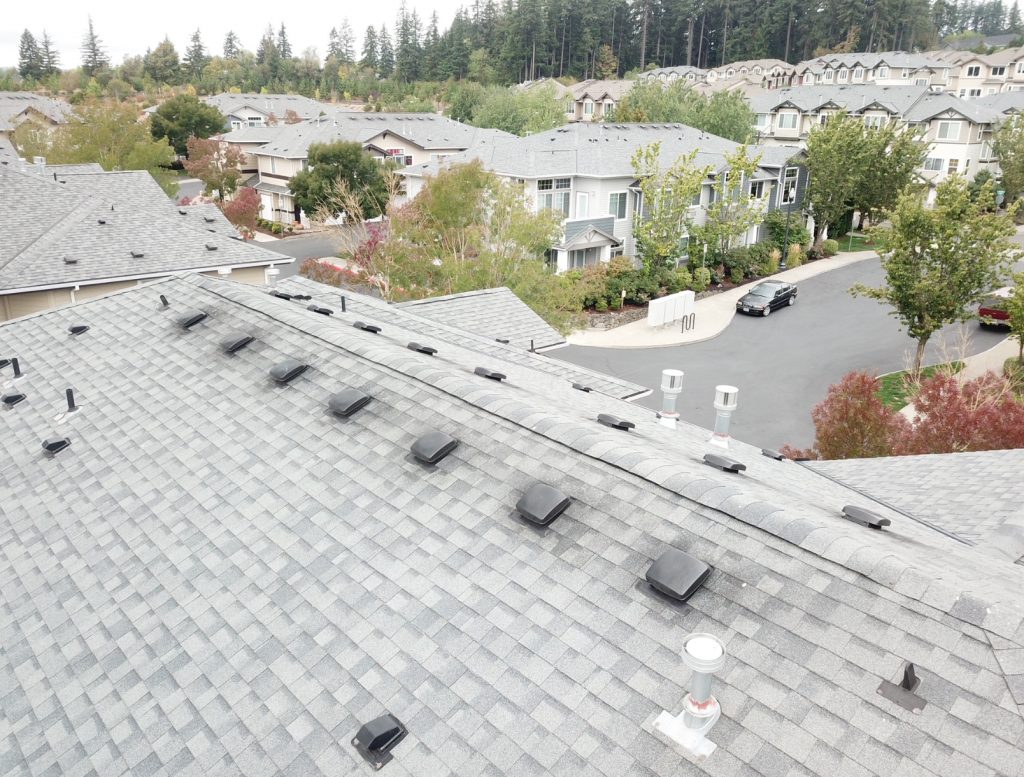

When it comes to maintaining a comfortable and energy-efficient home, proper attic ventilation is a crucial factor that homeowners often overlook. The two most common solutions for attic ventilation are ridge vents and attic fans, each offering unique benefits and potential drawbacks. Choosing the right system can impact your home’s temperature regulation, energy bills, and even the longevity of your roofing materials. Understanding the differences between these two options is essential for making an informed decision that suits your specific climate, roof design, and personal preferences. This article provides a comprehensive comparison to help you determine which option aligns with your needs.
Comparing Ridge Vents and Attic Fans
How Ridge Vents Work
Ridge vents are installed along the peak of a sloped roof, allowing warm, humid air to escape from the attic naturally. This passive ventilation system relies on the principle that hot air rises, so as the sun heats your roof, the warm air inside the attic moves upward and exits through the ridge vent. Cooler air is drawn in through soffit or eave vents at the lower part of the roof, creating a continuous flow that helps regulate attic temperature and moisture levels. Ridge vents are designed to blend seamlessly with the roofline, making them a discreet option that does not detract from the appearance of your home. They require no electricity to operate, which means there are no ongoing energy costs associated with their use. Properly installed ridge vents can help prevent issues such as mold growth, wood rot, and ice dam formation by maintaining balanced airflow throughout the attic space. However, their effectiveness depends on having adequate intake vents and a roof design that supports continuous airflow from eaves to ridge.
The Function of Attic Fans
Attic fans are mechanical devices installed either on the roof or in the gable wall of the attic. Their primary function is to actively expel hot air from the attic space, typically powered by electricity or solar energy. When the attic temperature reaches a certain threshold, the fan automatically turns on and forces the hot air outside, drawing in cooler air from intake vents. This active ventilation method can be particularly effective in climates with high heat and humidity, where passive systems may not provide sufficient airflow. Attic fans can help reduce the strain on air conditioning systems by lowering attic temperatures, potentially leading to energy savings during the hottest months. However, they do require a power source, which can add to your utility bills unless you opt for a solar-powered model. Additionally, improper installation or insufficient intake ventilation can cause attic fans to draw conditioned air from the living space below, reducing overall energy efficiency. Homeowners considering attic fans should ensure their attic is properly sealed and insulated to maximize the benefits of this system.
Energy Efficiency and Cost Considerations
When evaluating ridge vents and attic fans, energy efficiency and cost are important factors to consider. Ridge vents, as a passive system, do not consume electricity and have minimal maintenance requirements once installed. The initial installation cost is generally lower than that of attic fans, especially if the vents are added during a new roof installation or replacement. Over time, ridge vents can contribute to lower energy bills by maintaining a more consistent attic temperature, reducing the workload on your HVAC system. In contrast, attic fans involve both installation and ongoing operational costs, particularly if they are electrically powered. While solar-powered attic fans can offset some of these expenses, the upfront investment is typically higher. Homeowners should also factor in potential maintenance needs, as attic fans have moving parts that may require periodic servicing or replacement. For those seeking advice on which system to choose, consulting a Roofing Company Summerville can provide valuable insights tailored to your home’s specific requirements and local climate conditions.
Climate and Regional Suitability
The effectiveness of ridge vents and attic fans can vary significantly depending on the climate and regional weather patterns. In areas with mild to moderate temperatures and consistent breezes, ridge vents often provide sufficient ventilation to keep attics cool and dry. Their passive design works best when there is a steady flow of air from the soffit vents up to the ridge, allowing for continuous exchange of warm and cool air. However, in regions with extreme heat, high humidity, or limited natural airflow, ridge vents alone may not be enough to prevent attic overheating. Attic fans can offer a more robust solution in these environments by actively removing hot air and reducing the risk of moisture buildup. Homeowners in coastal or hurricane-prone areas should also consider the durability and weather resistance of each system, as strong winds and heavy rain can impact performance. Ultimately, the choice between ridge vents and attic fans should take into account local climate conditions, roof design, and the specific ventilation needs of your home.
Installation and Maintenance
Proper installation is critical for both ridge vents and attic fans to function effectively. Ridge vents must be installed along the entire length of the roof ridge to ensure even airflow, and they should be paired with adequate intake vents at the eaves or soffits. If the intake vents are insufficient or blocked, the ridge vent system will not work as intended, leading to potential moisture and heat problems in the attic. Attic fans require careful placement to maximize their ability to expel hot air, and they must be wired to a power source or connected to a solar panel. Both systems should be installed by qualified professionals to avoid common pitfalls such as leaks, improper sealing, or electrical hazards. Maintenance for ridge vents is generally minimal, involving periodic checks to ensure vents are clear of debris and functioning properly. Attic fans, on the other hand, may require more frequent attention due to their mechanical components, including motor inspections, cleaning, and occasional part replacements. Regular maintenance helps extend the lifespan of both systems and ensures optimal performance throughout the year.
A Quick Look at Noise and Aesthetics
Ridge vents are virtually silent and blend into the roofline, making them an unobtrusive choice for homeowners concerned about the appearance and noise levels of their ventilation system. Attic fans, especially older or poorly maintained models, can produce noticeable noise when operating, which may be a consideration for those with bedrooms or living spaces directly below the attic. The visual impact of attic fans is also greater, as they are typically visible on the roof or gable wall.
Long-Term Impact on Roof Longevity
The choice between ridge vents and attic fans can influence the long-term health of your roof. Proper attic ventilation helps prevent the buildup of heat and moisture, both of which can accelerate the deterioration of roofing materials. Ridge vents, when installed correctly, promote even airflow across the entire attic, reducing the risk of hot spots and moisture accumulation that can lead to mold, rot, and shingle damage. Attic fans, by actively removing hot air, can also help extend the life of your roof, but only if the attic is well-sealed and has sufficient intake ventilation. Without proper balance, attic fans may create negative pressure that draws conditioned air from the living space, potentially increasing energy costs and causing unintended moisture issues. Homeowners should work with qualified roofing professionals to assess their attic’s ventilation needs and ensure that whichever system they choose is installed and maintained to support the long-term durability of their roof.
Conclusion
Choosing between ridge vents and attic fans involves careful consideration of your home’s design, local climate, energy efficiency goals, and personal preferences. Both systems offer distinct advantages and potential drawbacks, and the right choice depends on factors such as roof structure, ventilation needs, and budget. Ridge vents provide a passive, low-maintenance solution that works well in many climates, while attic fans offer active ventilation that can be particularly effective in hot or humid regions. Proper installation and maintenance are essential for maximizing the benefits of either system and protecting the longevity of your roof. Consulting with a reputable roofing professional can help you make an informed decision that enhances your home’s comfort, energy efficiency, and overall value for years to come.