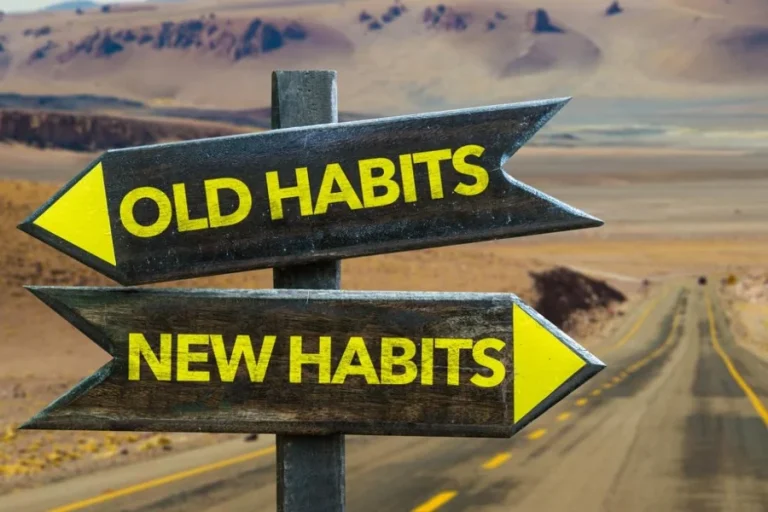

For decades, social life, career success, and personal achievement were often associated with long hours, constant availability, late nights, and the idea that “more” was always better. However, Generation Z is challenging many of these expectations. Growing up during a time of rapid technological change, global uncertainty, and increased conversations around mental health, Gen Z is placing greater importance on balance, self-awareness, and healthier lifestyle choices.
Rather than accepting traditional habits that may lead to burnout, stress, or unhealthy relationships with work and social life, many young adults are actively looking for ways to protect their physical and emotional well-being. From changing attitudes toward partying to embracing mindfulness and healthier routines, Gen Z is creating a different definition of what it means to live a fulfilling life.
A Shift Away from Burnout Culture
One of the biggest changes associated with Gen Z is a growing rejection of burnout culture. Previous generations often celebrated working late, sacrificing personal time, and constantly pushing through exhaustion as signs of ambition. While career goals remain important, many Gen Z professionals are questioning whether success should come at the cost of health and happiness.
This generation is more likely to prioritize boundaries between work and personal life. Flexible schedules, remote work options, mental health days, and companies that support employee well-being are increasingly attractive to younger workers. Instead of viewing exhaustion as a badge of honor, Gen Z is recognizing that long-term success requires sustainable habits.
For many young adults, protecting energy and avoiding chronic stress has become just as important as achieving professional goals. This shift is encouraging workplaces to rethink traditional expectations and create environments where productivity does not depend on constant pressure.
Changing Attitudes Toward Party Culture
Socializing has always been an important part of youth culture, but Gen Z is changing how people approach nightlife and entertainment. Many young adults are becoming more conscious about the effects of excessive drinking, lack of sleep, and risky behaviors often associated with traditional party environments.
Alcohol-free events, sober-curious lifestyles, and wellness-focused gatherings have become more popular as people search for ways to enjoy social experiences without negative consequences. Some are choosing mocktails, fitness-based activities, creative workshops, or outdoor events as alternatives to traditional nightlife. For those looking to reduce alcohol consumption while still enjoying a social drink experience, cannabis drinks and other modern beverage alternatives have also emerged as options that reflect Gen Z’s interest in more mindful approaches to partying.
This does not mean Gen Z is avoiding fun or social connection. Instead, many are redefining what a good time looks like by focusing on experiences that leave them feeling energized rather than drained. Socializing is increasingly becoming about meaningful conversations, memorable experiences, and activities that support overall well-being.
Prioritizing Mental Health and Emotional Awareness
Perhaps one of Gen Z’s most significant cultural impacts is the normalization of conversations around mental health. Issues such as anxiety, stress, loneliness, and emotional exhaustion are discussed more openly than in previous generations.
Many young people are learning to recognize unhealthy coping mechanisms and replace them with more supportive habits. Journaling, therapy, meditation, exercise, creative hobbies, and spending time with supportive communities are becoming common parts of self-care routines.
Social media has also played a complicated role in this shift. While online platforms can contribute to comparison, pressure, and anxiety, they have also created spaces where people share mental health resources, personal experiences, and encouragement. Gen Z has helped make discussions about emotional well-being more visible and accessible.
A More Conscious Approach to Health
Gen Z is increasingly interested in understanding how everyday choices affect overall health. Nutrition, movement, sleep quality, and emotional balance are becoming central parts of lifestyle decisions.
Many young adults are reducing their reliance on highly processed foods, paying attention to ingredients, and exploring different approaches to wellness. Fitness is also being viewed less as a punishment for appearance goals and more as a way to improve energy, confidence, and mental clarity.
At the same time, Gen Z tends to approach health in a personalized way. Instead of following one universal definition of wellness, many are experimenting with routines that fit their individual needs, schedules, and values. Whether it is finding healthier food options, improving sleep habits, or creating better daily routines, the focus is increasingly on long-term sustainability.
Reducing Digital Overload
As the first generation to grow up surrounded by smartphones and social media, Gen Z has a unique relationship with technology. While digital platforms provide connection and opportunities, many young people are becoming aware of the negative effects of constant screen time.
Digital detoxes, limiting notifications, taking breaks from social media, and creating healthier online habits are becoming increasingly common. Gen Z understands that being constantly connected does not always mean feeling connected.
The goal is not necessarily to abandon technology but to create a healthier relationship with it. Many young adults are learning to use digital tools intentionally instead of allowing them to control their attention and daily routines.
Choosing Authenticity Over Perfection
Another defining characteristic of Gen Z is a move away from unrealistic ideas of perfection. Many young people are rejecting carefully curated images of success and embracing authenticity instead.
Online conversations about body positivity, personal struggles, financial challenges, and mental health have helped create a culture where vulnerability is viewed as a strength. Gen Z is increasingly interested in honesty, meaningful relationships, and personal growth rather than simply appearing successful.
This desire for authenticity is also influencing brands, workplaces, and social trends. Companies that demonstrate transparency, social responsibility, and genuine values often connect more effectively with younger audiences who value purpose alongside products and services.
The Future of Healthier Living
Gen Z’s approach to avoiding unhealthy behaviors reflects a broader cultural shift. Younger generations are showing that ambition, social connection, and enjoyment do not need to come at the expense of well-being.
By questioning old habits and embracing healthier alternatives, Gen Z is encouraging society to rethink what a balanced lifestyle looks like. The focus is moving away from constant pressure and toward sustainability, awareness, and intentional choices.
As this generation continues to influence workplaces, social trends, and consumer habits, one question remains: will their focus on wellness inspire future generations to create an even healthier definition of success?