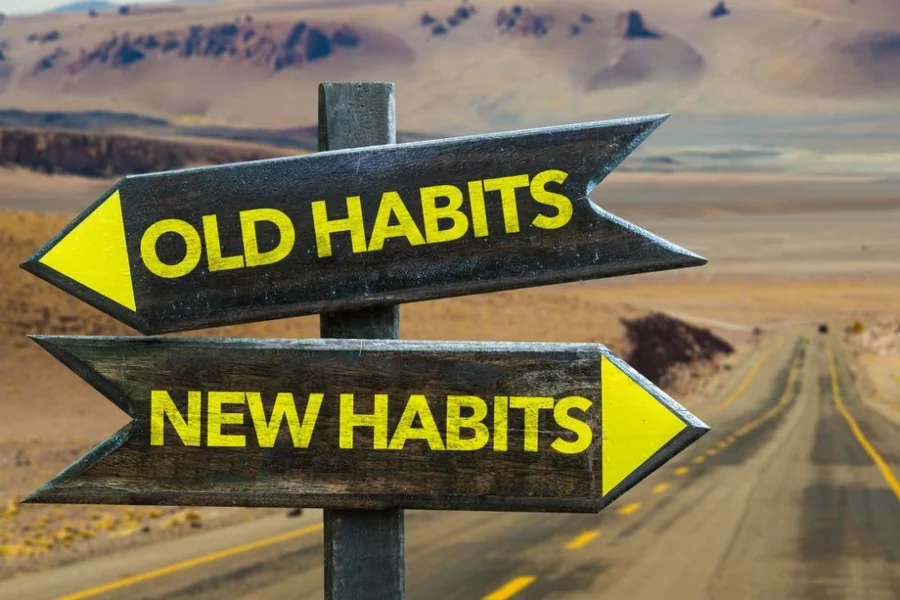

The Decision to Change Begins with Understanding
Changing a habit is not simply a matter of stopping a certain action. Many habits become deeply connected to a person’s daily routine, emotions, and environment. A behavior that appears negative from the outside may provide comfort, stress relief, confidence, or a sense of control. This is why many people find it difficult to make lasting changes even when they understand that a habit is no longer beneficial. Successful transformation often begins with understanding the role a habit plays and finding healthier ways to meet the same needs.
Why Sudden Changes Often Feel Impossible
Many people approach personal change with an all-or-nothing mindset. They decide that they must completely remove a habit immediately and expect themselves to adapt without difficulty. While this approach works for some individuals, others experience frustration because the sudden absence of a familiar routine creates discomfort. Transitional methods can make change more manageable by allowing people to gradually adjust while building new patterns that feel natural over time.
Replacing the Habit Instead of Fighting It
A powerful way to overcome an unwanted habit is to focus less on what must be removed and more on what can take its place. When people only concentrate on avoiding something, they often continue thinking about it. Creating a positive replacement shifts attention toward growth and improvement. Someone who uses unhealthy activities to cope with stress might explore alternatives such as physical movement, creative hobbies, social interaction, or relaxation techniques. The goal is to create a new source of satisfaction rather than simply removing an old one.
Creating Personal Transition Strategies
There is no universal method that works equally well for everyone. Each person has different motivations, challenges, and circumstances. A successful transition plan should be realistic and adapted to individual needs. For one person, reducing a behavior step by step may be effective, while another person may benefit from changing their daily schedule or introducing new responsibilities. Personal strategies are more likely to succeed because they consider the reasons behind the habit instead of only focusing on the habit itself.
Learning to Manage Triggers and Difficult Moments
Most habits are connected to specific triggers. These triggers may include stress, boredom, certain places, social situations, or particular emotions. Recognizing these patterns gives people an opportunity to respond differently. Instead of automatically following the old routine, they can prepare alternative actions before difficult moments appear. For example, a person who notices that stress leads to unhealthy choices can create a plan that includes exercise, talking with someone they trust, or taking time for relaxation.
Using Gradual Alternatives During Lifestyle Changes
Some lifestyle changes require a period of adjustment rather than an immediate switch. This is especially common with habits that have developed over many years. People who are working toward leaving smoking behind, for example, may consider different transitional approaches, including products containing nicotine salts that some users choose as an alternative step while moving away from traditional cigarettes. Such approaches are personal decisions, and their suitability can vary depending on individual circumstances and goals.
Building an Environment That Encourages Growth
Personal willpower is important, but the environment often has an equally strong influence on behavior. The places people spend time in, the people around them, and the accessibility of certain choices can either support or challenge their progress. Making small environmental changes can reduce unnecessary temptation and make positive actions easier. A person trying to develop healthier habits might reorganize their surroundings, create reminders of their goals, or spend more time in environments that encourage improvement.
Understanding Progress Through Patience
Real change rarely happens in a straight line. People often experience periods of progress followed by moments when old patterns return. Instead of viewing these moments as complete failures, they can be seen as opportunities to learn more about personal challenges. Patience allows individuals to focus on long-term improvement rather than judging themselves based on a single mistake. Sustainable change is built through repeated effort and continued learning.
Developing a Stronger Identity Beyond the Old Habit
One of the most important parts of leaving a bad habit behind is developing a new sense of identity. People often define themselves by what they are trying to quit, but lasting change comes when they begin to see themselves as someone who chooses healthier behaviors. A person who starts exercising regularly is not only “someone trying to stop being inactive”; they are becoming someone who values movement and personal care. This shift in identity can make new habits feel more natural.
Finding Motivation Through Meaningful Goals
Habits are easier to change when people have a clear reason behind their efforts. A meaningful goal provides direction during difficult moments. Some people want more energy, better relationships, improved confidence, or a healthier future. Others want to become a better example for the people around them. When the reason for change is personally important, temporary difficulties become easier to overcome.
Creating Long-Term Balance Instead of Seeking Perfection
The purpose of changing a bad habit is not to create a perfect life without challenges. Everyone experiences stress, setbacks, and moments of weakness. The goal is to develop better responses and create a lifestyle that supports overall well-being. Balance allows people to make progress without feeling overwhelmed by unrealistic expectations. Small improvements repeated consistently can create significant results over time.
Moving Forward with Confidence and Awareness
Leaving harmful habits behind is a journey that requires awareness, flexibility, and commitment. Alternative and transitional solutions provide people with practical ways to move from old patterns toward healthier choices. By understanding their habits, creating replacements, managing triggers, and allowing themselves time to adapt, individuals can build meaningful changes that last. The most important step is not achieving immediate perfection, but continuing to move forward with every decision that supports personal growth.