
When the temperature drops, a reliable furnace is essential for keeping your home warm and comfortable. However, it can be frustrating when your furnace runs but fails to produce enough heat to maintain a cozy environment. This issue can stem from a variety of causes, ranging from simple maintenance oversights to more complex mechanical problems. Understanding the potential reasons behind insufficient heating can help you address the problem more effectively and restore warmth to your living space. By identifying the root cause, you can determine whether a quick fix or professional intervention is necessary to get your furnace back on track.
Common causes of furnace heat loss
Dirty or Clogged Air Filters
One of the most frequent reasons for a furnace not producing enough heat is a dirty or clogged air filter. Over time, dust, pet hair, and other debris accumulate in the filter, restricting airflow through the system. When airflow is limited, the furnace has to work harder to push warm air throughout your home, which can result in uneven heating or a noticeable drop in temperature. In some cases, the furnace may even overheat and shut down as a safety precaution. Regularly checking and replacing your air filter is a simple yet effective way to maintain proper airflow and ensure your furnace operates efficiently. Neglecting this basic maintenance task can lead to higher energy bills, increased wear and tear on your system, and a less comfortable home environment.
Thermostat Issues and Incorrect Settings
Another common culprit behind insufficient heat is a malfunctioning or improperly set thermostat. If your thermostat is not calibrated correctly, it may not signal the furnace to turn on at the right times or maintain the desired temperature. Sometimes, the thermostat may be located in a drafty area or near a heat source, causing it to misread the actual temperature in your home. Additionally, dead batteries or loose wiring can disrupt communication between the thermostat and the furnace. Homeowners in Memphis often search for furnace repair memphis when they encounter persistent thermostat problems that prevent their heating system from functioning as intended. Ensuring your thermostat is set to “heat” mode, checking the temperature setting, and replacing batteries as needed can help resolve many of these issues without the need for extensive repairs.
Ductwork Leaks and Blockages
The ductwork in your home plays a crucial role in distributing warm air from the furnace to each room. If there are leaks, gaps, or blockages in the ducts, a significant amount of heated air can escape before it reaches its intended destination. This not only reduces the overall warmth in your home but also forces your furnace to work harder, potentially shortening its lifespan. Leaky ducts are often found in attics, basements, or crawl spaces where connections may loosen over time or insulation may deteriorate. Blockages can occur due to accumulated dust, debris, or even small objects that have fallen into the vents. Addressing ductwork issues typically involves sealing leaks with appropriate materials and ensuring all vents are open and unobstructed. Regular inspection and cleaning of your ductwork can help maintain efficient airflow and consistent heating throughout your home.
Short Paragraph: Importance of Regular Maintenance
Regular furnace maintenance is essential for preventing many common heating issues. Scheduling annual inspections and tune-ups can help identify potential problems early, improve energy efficiency, and extend the life of your heating system. Simple tasks like changing air filters and cleaning vents can make a significant difference in performance.
Pilot Light or Ignition Problems
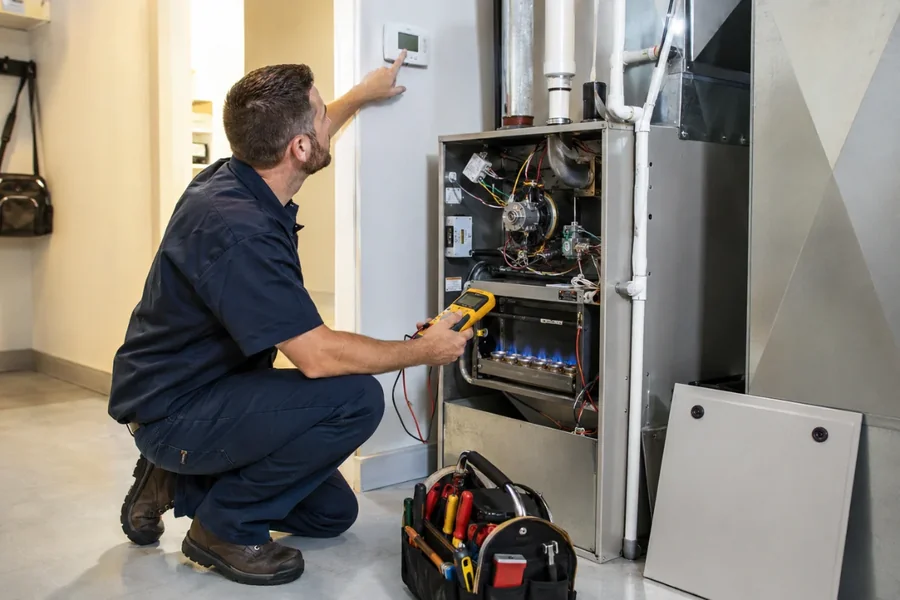
For furnaces that rely on a pilot light or electronic ignition system, any malfunction in these components can result in inadequate heat production. A pilot light that frequently goes out or an ignition system that fails to spark properly can prevent the burners from operating as they should. This can be caused by a dirty or faulty thermocouple, worn-out ignition components, or issues with the gas supply. In some cases, drafts or sudden changes in air pressure can extinguish the pilot light, while electrical problems may disrupt the ignition process. Addressing these issues often requires a careful inspection of the ignition system and, if necessary, replacement of faulty parts. Ensuring that your furnace receives regular professional attention can help prevent ignition-related problems and keep your home warm during the colder months.
Inadequate Insulation and Home Sealing
Even if your furnace is functioning properly, poor insulation or gaps in your home’s structure can lead to significant heat loss. Older homes, in particular, may have insufficient insulation in the walls, attic, or floors, allowing warm air to escape and cold air to enter. Drafty windows and doors, as well as unsealed gaps around pipes or vents, can further exacerbate the problem. As a result, your furnace may struggle to maintain a comfortable temperature, running longer and using more energy without achieving the desired warmth. Improving insulation, sealing gaps, and upgrading windows and doors can help retain heat and reduce the workload on your furnace. These improvements not only enhance comfort but also contribute to lower energy bills and a more sustainable home environment.
Upgrading standard home defenses against seasonal drafting can make a massive difference in how easily your living areas retain their warmth. Coordinating with a professional crew like Insulation Commandos can help evaluate weak spots where heated air leaks out of your home. Taking these targeted steps ensures that warmth stays right where you need it, maximizing daily indoor comfort while keeping monthly utility costs down.
Conclusion
A furnace that fails to produce enough heat can be a source of discomfort and frustration, especially during the colder months. By understanding the various factors that can contribute to this issue, such as dirty air filters, thermostat malfunctions, ductwork problems, ignition failures, and inadequate insulation, homeowners can take proactive steps to address the problem. Regular maintenance and timely repairs are key to ensuring your furnace operates efficiently and reliably. If you continue to experience heating issues despite your efforts, it may be time to consult a professional for a thorough inspection and appropriate solutions. Taking action early can help restore warmth to your home and provide peace of mind throughout the heating season.