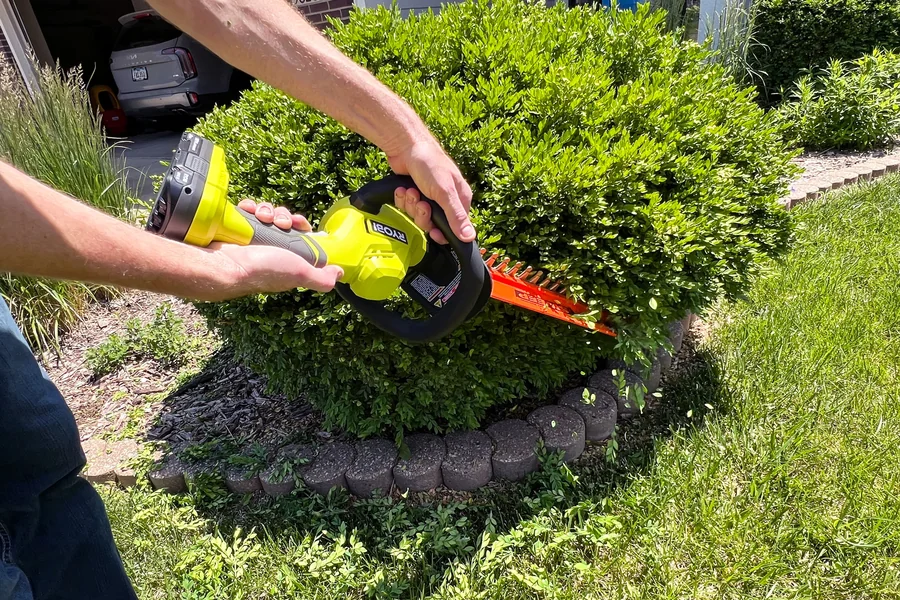

A beautifully shaped hedge rarely comes down to luck. It’s usually the result of steady hands, thoughtful technique, and using the right equipment. After more than a decade of working with landscape maintenance tools, I’ve learned that control is often the deciding factor between a hedge that looks professionally maintained and one that appears uneven or overcut.
When comparing modern hedge clippers, it’s easy to focus on motor power or blade speed. While those specifications matter, the features that improve balance, handling, and precision often have a greater impact on the final result. Whether you’re maintaining decorative shrubs, privacy hedges, or formal topiary, choosing a tool that offers better control makes trimming easier, more accurate, and less physically demanding.
Why Control Matters More Than Cutting Power Alone
Many homeowners assume more power automatically means better performance. In reality, excessive power without proper control can lead to uneven cuts, accidental damage to plants, and faster operator fatigue.
Good control allows you to:
- Shape hedges more accurately
- Follow natural growth patterns
- Reduce unnecessary trimming
- Improve safety during operation
- Work comfortably for longer periods
Professional landscapers often prioritize ergonomics and maneuverability because these qualities consistently produce cleaner, more uniform results.
Blade Length Should Match Your Trimming Tasks
Blade length directly affects how easily you can control the tool.
Shorter Blades (18–20 Inches)
Ideal for:
- Small ornamental shrubs
- Decorative hedges
- Detailed shaping
- Tight garden spaces
Their compact size allows for greater precision around corners and curved designs.
Medium Blades (22–24 Inches)
A versatile option for most residential properties, offering a balance between reach and maneuverability.
Longer Blades (26 Inches and Above)
Best suited for:
- Large privacy hedges
- Long, straight hedge rows
- Wide shrubs
Longer blades increase productivity but may require more experience to maintain precise control.
Lightweight Construction Reduces Fatigue
Weight becomes increasingly important during extended trimming sessions.
Even a difference of a few pounds can affect:
- Arm fatigue
- Shoulder strain
- Cutting accuracy
- Stability when trimming overhead
Battery-powered hedge clippers have become increasingly popular because many offer an excellent combination of cutting performance and lighter overall weight compared to traditional gas-powered equipment.
Ergonomic Handle Design Improves Precision
Handle design has evolved significantly over the past decade.
Look for features such as:
- Soft-grip surfaces
- Adjustable rear handles
- Well-balanced grip positions
- Large trigger controls
- Comfortable hand spacing
These features allow for smoother movements and more natural wrist positioning, particularly when trimming hedge tops or vertical sides.
Blade Quality Influences Cutting Accuracy
Sharp, precision-ground blades do far more than cut quickly.
High-quality blades produce:
- Cleaner branch cuts
- Less plant stress
- Reduced vibration
- Improved trimming consistency
Dual-action blades are especially helpful because they reduce vibration while creating smoother cutting performance.
Less vibration translates directly into better control, especially during longer trimming sessions.
Balance Is Just as Important as Overall Weight
A lightweight tool isn’t always easy to control if most of the weight sits near the blade or battery.
Well-balanced hedge clippers distribute weight evenly between the handles and cutting assembly.
Benefits include:
- Easier directional changes
- Improved stability
- Less wrist strain
- Better overhead trimming
- Greater precision around landscaping
Before purchasing, hold the tool as you would during actual trimming to evaluate how balanced it feels.
Variable Speed and Trigger Control Offer Greater Flexibility
Many premium hedge clippers feature variable-speed triggers or multiple operating modes.
These settings allow you to:
- Slow blade movement for detailed shaping
- Increase speed for thicker growth
- Improve accuracy around delicate plants
- Reduce unnecessary battery consumption
Having greater control over blade speed makes the tool adaptable to a wider range of trimming tasks.
Safety Features That Also Improve Control
Safety and control often go hand in hand.
Useful features include:
- Two-handed starting systems
- Front hand guards
- Blade tip protection
- Instant blade brake
- Anti-slip grip materials
These components help stabilize the tool while reducing the likelihood of accidental contact with the blades or nearby obstacles.
Electric vs. Gas Hedge Clippers: Which Offers Better Handling?
For many homeowners, electric hedge clippers provide noticeable advantages in control.
Electric Models
Best for:
- Residential landscapes
- Routine maintenance
- Decorative shaping
- Lower vibration
- Quieter operation
Gas Models
Better suited for:
- Large commercial properties
- Extended trimming sessions
- Dense, mature hedges
- Remote locations without charging access
For the majority of residential properties, cordless electric models deliver ample cutting power while remaining easier to maneuver.
Common Mistakes That Reduce Trimming Accuracy
Even experienced homeowners sometimes overlook factors that affect control.
Choosing the Longest Blade Available
Longer blades improve productivity but can make detailed shaping more difficult.
Ignoring Tool Balance
An awkwardly balanced trimmer often causes uneven cuts, regardless of motor power.
Working with Dull Blades
Dull blades tear branches instead of slicing cleanly, forcing the operator to apply additional pressure.
Trimming Too Quickly
Rushing often results in uneven hedge lines that require additional corrective trimming later.
Taking slow, consistent passes almost always produces a cleaner finish.
A Practical Checklist Before Buying Hedge Clippers
Ask yourself these questions before making a purchase:
- What type of hedges do I trim most often?
- Do I prioritize precision or productivity?
- Is the tool comfortable to hold for extended periods?
- Does the blade length match my landscape?
- Are vibration levels minimized?
- Are replacement blades or parts readily available?
- Does the handle design support different trimming angles?
Answering these questions helps narrow your choices far more effectively than comparing specifications alone.
Maintenance Habits That Preserve Precision
Routine maintenance plays a significant role in long-term performance.
After every trimming session:
- Remove leaves and sap from the blades.
- Inspect cutting teeth for damage.
- Lubricate blades according to manufacturer recommendations.
- Tighten loose hardware.
- Store the tool in a clean, dry location.
Sharp, properly maintained blades require less effort, reduce vibration, and improve overall cutting control.
Final Thoughts
The best hedge clippers combine cutting performance with excellent ergonomics, thoughtful balance, and precision-focused design. While blade speed and motor output remain important, features such as comfortable handles, lightweight construction, dual-action blades, and balanced weight distribution often have a greater influence on the quality of your work.
By choosing a tool that feels stable and comfortable throughout the trimming process, you’ll achieve cleaner hedge lines, healthier plants, and more consistent results with less physical effort.
Frequently Asked Questions
What blade length is best for most homeowners?
A blade length between 22 and 24 inches offers an excellent balance of reach, maneuverability, and precision for most residential hedge maintenance.
Are lightweight hedge clippers easier to control?
Yes. Lighter tools generally reduce fatigue and make detailed trimming around shrubs, flower beds, and ornamental hedges easier.
Do dual-action blades make a difference?
Yes. Dual-action blades reduce vibration, improve cutting smoothness, and help maintain better control during extended use.
Should I choose electric or gas hedge clippers?
For most homeowners, electric hedge clippers provide sufficient power with quieter operation, lower maintenance, and improved maneuverability.
Where can I learn more about safe hedge trimming?
The U.S. Consumer Product Safety Commission (CPSC) offers guidance on outdoor power equipment safety, while the University of California Integrated Pest Management (UC IPM) provides science-based recommendations for pruning shrubs and landscape plants.