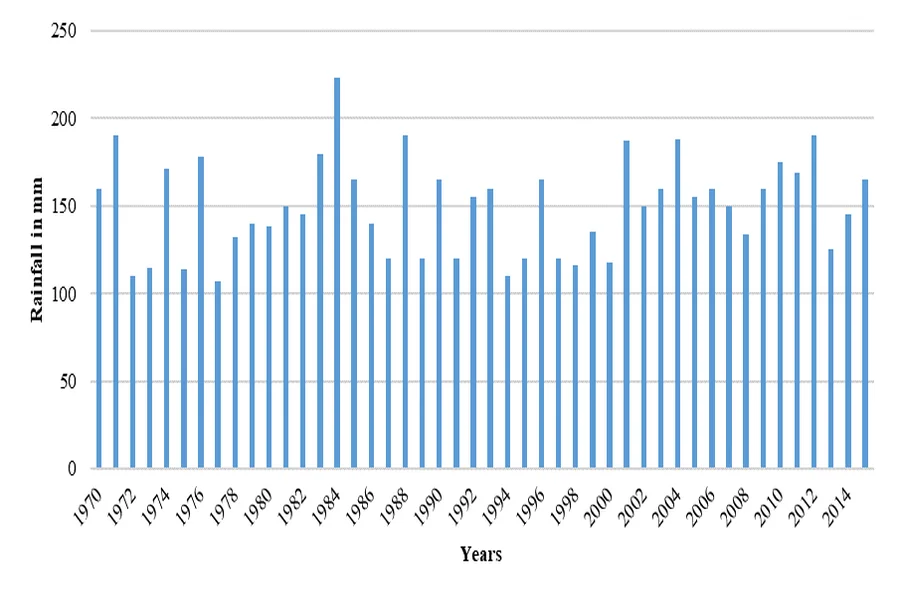

In Ratnanagar, a dry road can become slippery within an hour. Morning skies may look clear over Sauraha, then clouds gather above the Chure hills and rain reaches the town by afternoon. This is normal for Chitwan’s monsoon season. The rain comes from weather systems across South Asia, yet local land, forests, rivers, and summer heat decide the seasonal monsoon in Ratnanagar.
Warm Air and Monsoon
The main source of summer rain is the South Asian monsoon. Before the wet season, the land across Nepal and northern India heats up quickly. The Bay of Bengal stays cooler, so air pressure changes across the region. Moist air then moves inland from the bay.
By June, this flow brings more clouds and humid air into Chitwan. The Nepal Tourism Board reports that around 80% of Nepal’s annual rainfall arrives between June and September. That is why a few days of heavy rain can affect farming, road travel, tourism, and daily shopping in Ratnanagar.
Summer Heat Helps with Cloud Formation
Ratnanagar lies in a warm, low-lying part of Nepal. During the day, rooftops, roads, fields, and open ground absorb heat. The air circulating in these areas traps heat. If that air contains enough moisture, clouds begin to build.
This often leads to late afternoon showers. A hot morning may feel uncomfortable, with heavy air and little wind. By lunchtime, dark clouds can appear over nearby forest areas. Rain may then arrive suddenly, sometimes with gusty wind and short bursts of heavy rain. Therefore, the weather in Ratnanagar is unpredictable for first-time tourists.
The rain is not always even across the municipality. A storm may soak Bachhauli or Sauraha and leave another neighbourhood with much less rain. Small changes in wind direction and cloud movement make a real difference.
Moisture Travels from the Bay of Bengal
The Bay of Bengal supplies much of the moisture that reaches Nepal. Low-pressure systems over the bay can pull more damp air toward the north. Their path affects the amount of rain that reaches Chitwan.
A stronger system may bring widespread rain for several days. A weaker one may produce scattered showers, with sunny breaks between them. This explains why Ratnanagar can move from a dry morning to a wet evening without much warning.
Larger Climate Patterns Add Uncertainty
The monsoon is linked to climate patterns far beyond Nepal. El Niño as well as La Niña can change wind movement in the region. These patterns cannot tell us whether rain will fall on a particular road in Ratnanagar. They can give forecasters clues about the wider season.
Rainfall patterns are changing across South Asia too. A Met Office climate report says intense rainfall may become more frequent in parts of the eastern Himalayas during the monsoon. For local businesses, that makes short-range forecasts useful for daily decisions.
How the Seasonal Monsoon in Ratnanagar Affects Businesses?
Monsoon rain affects almost every outdoor activity. A lodge near Sauraha may need to change a guest’s safari plan. A farmer may wait for a dry period before spraying or moving equipment. The issues include the following.
- Poor visibility for motorbikes and buses
- Damp stock in shops and storage rooms
- Delays to farm work and construction
- Changes to outdoor tours and events
Checking hourly rain and visibility can help businesses choose better working hours. It can reduce last-minute changes too.
How Can MeteoFlow Help?
MeteoFlow provides Ratnanagar forecast details such as hourly temperature, rainfall, humidity, wind, visibility, air quality, and several days of outlook data. That information can help people make simple daily choices.
A farmer can check the rain before leaving for the fields. A hotel can plan outdoor activities around clearer periods. You should visit the MeteoFlow Ratnanagar forecast for current local conditions.
Final Thoughts
The weather in Ratnanagar depends on a combination of monsoon winds, summer heat, hills, and wider climate patterns. That mix explains why rain can change so quickly across Chitwan. A local forecast gives residents as well as businesses the flexibility to plan. It helps them plan trips with fewer surprises.